Table of Contents
Introduction
The global refractory insulation market is experiencing a period of dynamic growth as industrial expansion in developing economies converges with tightening energy efficiency regulations in established markets. Estimated at approximately USD 28 billion in 2025, the market is projected to reach USD 35 billion by 2030, representing a compound annual growth rate of roughly 4.5 percent.
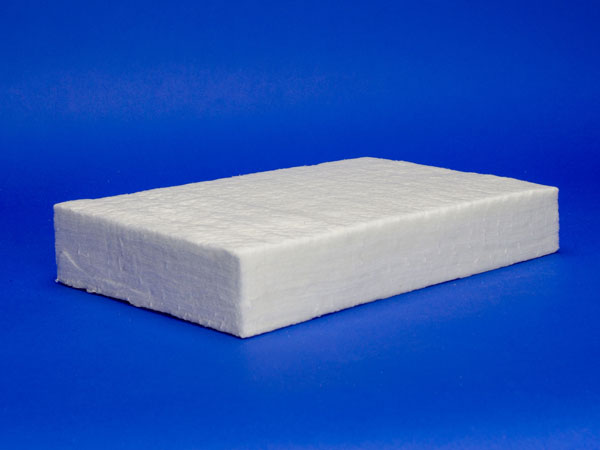
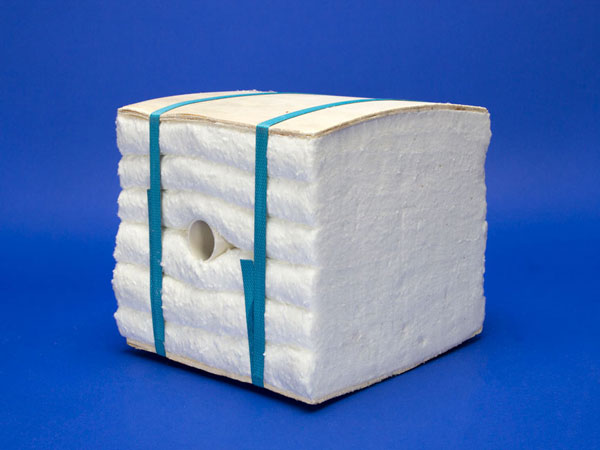
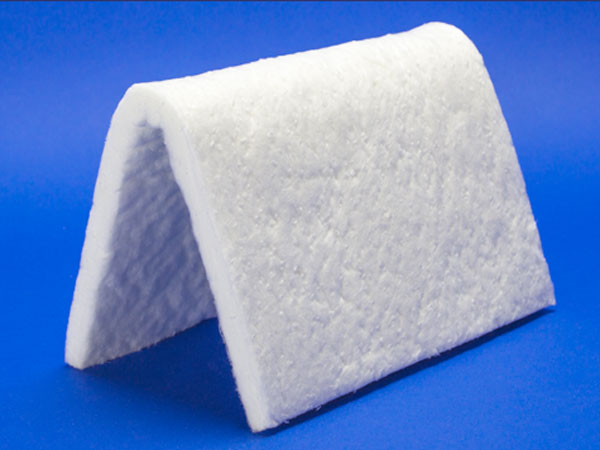
Ceramic fiber products, including blankets, modules, boards, and papers, occupy a strategically important segment within the broader refractory market. Their lightweight construction, superior insulating performance, and versatility across temperature ranges make them the preferred choice for an expanding array of industrial applications, from traditional steel and cement kilns to advanced aerospace thermal protection systems.
For buyers, distributors, and manufacturers, understanding the forces shaping this market is essential for making informed purchasing decisions, planning production investments, and identifying emerging opportunities. This analysis draws on ZOUYU's direct experience serving clients in over 50 countries to provide a comprehensive overview of the trends defining the refractory insulation landscape in 2026 and beyond.
Regional Demand Analysis
Demand for refractory insulation varies significantly by region, reflecting differences in industrial maturity, regulatory environments, and infrastructure development priorities.
Southeast Asia
Southeast Asia represents one of the fastest-growing markets for ceramic fiber products, driven by rapid industrialization in Vietnam, Indonesia, the Philippines, and Thailand. New steel mills, cement plants, and power generation facilities are creating substantial demand for refractory linings. The region's expanding ceramics and glass manufacturing sectors add further momentum. We estimate Southeast Asian refractory consumption growing at 6 to 8 percent annually through 2030, with ceramic fiber products gaining share from traditional dense refractories as energy costs rise.
Middle East
The Middle East remains a high-value market anchored by petrochemical and refining industries. Demand for high-purity and high-alumina ceramic fiber products is particularly strong, reflecting the aggressive chemical environments and elevated operating temperatures in reformers, crackers, and fired heaters. Major refinery expansion projects in Saudi Arabia, the UAE, and Iraq are generating multi-million dollar refractory procurement packages. The region's buyers prioritize quality documentation and international certifications over price alone.
Africa
Africa's industrialization is creating new opportunities, particularly in cement production, mining, and power generation. Countries including Nigeria, Ethiopia, Kenya, and Tanzania are investing in infrastructure that requires refractory materials. While current volumes are modest compared to other regions, growth rates are among the highest globally at 8 to 10 percent annually. Chinese-manufactured ceramic fiber products are well-positioned in African markets due to competitive pricing and established trade relationships through Belt and Road Initiative projects.
Europe
European demand is shaped primarily by energy efficiency regulations and the ongoing transition to lower-carbon industrial processes. The EU's Industrial Emissions Directive and national energy efficiency targets are driving upgrades to furnace insulation across steel, glass, and ceramics sectors. Bio-soluble ceramic fiber alternatives are gaining traction in response to health and safety classifications, though traditional ceramic fibers remain widely used with appropriate handling protocols. European buyers demand REACH compliance and comprehensive safety data documentation.
Americas
The North American market benefits from strong petrochemical activity along the Gulf Coast and ongoing investment in advanced manufacturing. South America, particularly Brazil and Chile, is seeing growth in mining-related refractory demand. Trade policies and tariffs continue to influence sourcing patterns, with some buyers diversifying supply chains beyond traditional single-source arrangements. For a closer look at how ZOUYU serves clients across these diverse regions, see our project cases.
Emerging Material Innovations
The refractory insulation industry is not standing still. Several material innovations are reshaping product offerings and opening new application possibilities.
High-Alumina Fibers
Advances in raw material purification and fiber spinning technology are enabling production of fibers with alumina content exceeding 72 percent. These ultra-high-alumina fibers achieve service temperatures above 1,500 degrees Celsius while maintaining the flexibility and installability of conventional ceramic fiber blankets. They are finding applications in next-generation industrial furnaces and advanced ceramics sintering equipment where traditional grades reach their thermal limits.
Zirconia-Enhanced Products
Zirconia additions to ceramic fiber compositions improve high-temperature stability, reduce shrinkage, and enhance resistance to corrosive environments. New manufacturing processes are making zirconia-enhanced fibers more cost-effective to produce, expanding their use beyond niche aerospace applications into mainstream industrial markets. HZ-grade blankets with optimized zirconia content are becoming the standard specification for critical furnace zones.
Nano-Coated Fibers
Surface coating technologies at the nanoscale are being applied to ceramic fibers to improve specific performance characteristics. Hydrophobic nano-coatings reduce moisture absorption during storage and installation, while infrared-reflective coatings enhance thermal insulation efficiency by reducing radiative heat transfer through the blanket. These innovations add value without significantly increasing material cost.
Bio-Soluble Alternatives
Regulatory pressure in Europe and growing safety awareness globally are driving development of bio-soluble fiber alternatives that dissolve in lung fluid, eliminating the health classification concerns associated with traditional ceramic fibers. Alkaline earth silicate (AES) fibers and polycrystalline wool (PCW) products are the leading alternatives, though they currently command premium pricing and have lower maximum temperature ratings than high-grade ceramic fibers. For more details on our ceramic fiber blanket range and available grades, visit our product pages.
Industry Trends
Beyond material innovations, several broader industry trends are reshaping how refractory insulation products are manufactured, marketed, and procured.
Sustainability and Green Manufacturing
Environmental sustainability is becoming a competitive differentiator. Manufacturers are investing in cleaner production processes, reducing carbon emissions from melting furnaces, and implementing closed-loop water recycling systems. Buyers increasingly request environmental product declarations (EPDs) and carbon footprint data as part of tender evaluations. Companies that can demonstrate measurable progress toward sustainability goals are winning preferential supplier status with multinational industrial groups.
Automation in Production
The trend toward automated production lines continues to accelerate. Robotic handling, machine vision quality inspection, and AI-driven process optimization are becoming standard features in new production facilities. Automation improves product consistency, reduces waste, and lowers labor costs, enabling manufacturers in higher-cost regions to remain competitive. The latest generation of needle punching machines and automatic cutting systems can operate with minimal human intervention, achieving throughput rates previously requiring significantly larger workforces.
Digital Supply Chain
Digital platforms are transforming how refractory products are sourced and procured. Online marketplaces, real-time inventory visibility, and digital logistics tracking are raising buyer expectations for transparency and responsiveness. Manufacturers who invest in digital capabilities, including e-commerce portals, automated quoting systems, and shipment tracking, are capturing an increasing share of orders from tech-savvy procurement teams.
Energy Efficiency Regulations
Governments worldwide are tightening energy efficiency standards for industrial equipment, directly increasing demand for high-performance insulation. China's updated industrial furnace energy efficiency standards, the EU's Energy Efficiency Directive, and similar regulations in India and Southeast Asian countries are mandating improved insulation performance. This regulatory push is one of the strongest tailwinds for the ceramic fiber industry, as lightweight fiber insulation consistently outperforms traditional dense refractories on thermal efficiency metrics.
Price and Supply Chain Dynamics
Understanding price drivers and supply chain structures is essential for effective procurement planning in the refractory insulation market.
Raw Material Costs
Alumina and silica prices have shown moderate volatility over the past two years, influenced by energy costs at refineries and transportation expenses. Calcined alumina prices typically track global aluminum market trends with a two to three month lag. Manufacturers with integrated raw material processing capabilities or long-term supply contracts are better positioned to maintain stable pricing through market fluctuations.
Shipping Considerations
Container shipping rates remain a significant cost factor for international trade in ceramic fiber products. While rates have moderated from pandemic-era peaks, they remain above pre-2020 levels and vary substantially by trade lane. Buyers should factor total landed cost, including freight, insurance, and customs duties, when comparing supplier quotations from different countries. Consolidating orders to maximize container utilization can reduce per-unit shipping costs by 15 to 25 percent.
Regional Manufacturing Hubs
China remains the world's dominant manufacturer of ceramic fiber products, accounting for approximately 60 percent of global production capacity. However, new production facilities in India, Turkey, and Southeast Asian countries are emerging to serve regional markets more efficiently and reduce dependence on single-country sourcing. This diversification of manufacturing capacity is creating more competitive pricing and shorter lead times for buyers in those regions. Learn more about ZOUYU's manufacturing capabilities and quality systems.
Opportunities for Buyers
The current market environment presents several strategic opportunities for procurement professionals and industrial buyers.
Bulk Purchasing Strategies
With raw material prices showing signs of stabilization, locking in bulk purchase agreements for 12 to 18 months of projected consumption can provide cost certainty and protect against potential price increases. Negotiate volume-based pricing tiers with your suppliers and consider collaborative purchasing arrangements with other industrial users in your region to achieve better economies of scale.
Long-Term Partnerships
Building strategic partnerships with reliable manufacturers delivers benefits beyond pricing. Preferred customers receive priority allocation during supply shortages, faster response to technical queries, early access to new product developments, and more flexible payment terms. Invest time in supplier relationship management, including periodic factory audits and joint improvement projects, to maximize the value of your supply partnerships.
Quality vs. Price Tradeoffs
The refractory insulation market offers a wide range of quality levels at correspondingly varied price points. While cost optimization is always important, the total cost of ownership calculation should include installation labor, expected service life, energy efficiency during operation, and the cost of unplanned downtime due to premature lining failure. In most applications, investing 10 to 20 percent more in higher-quality material yields a significantly better return over the lining's service life compared to choosing the lowest-priced option.
Market insight: Request detailed test certificates and third-party verification with every shipment. Consistent quality documentation is the most reliable indicator of a supplier's manufacturing capability and quality management commitment.
Outlook for 2026-2030
Looking ahead, the refractory insulation market is positioned for sustained growth supported by several structural factors.
Projected Growth Areas
The strongest growth is expected in green hydrogen production facilities, waste-to-energy plants, battery material processing, and advanced ceramics manufacturing. Each of these emerging sectors requires specialized high-temperature insulation solutions, creating opportunities for manufacturers who invest in application-specific product development. Traditional sectors including steel, cement, and glass will continue to represent the largest volume markets, with demand shifting toward higher-performance and more energy-efficient insulation products.
Technology Developments
Key technology trends to watch include additive manufacturing of complex refractory shapes, advanced fiber coating technologies, integration of sensors within insulation linings for real-time condition monitoring, and development of fully recyclable ceramic fiber products. These innovations will gradually reshape the competitive landscape and create differentiation opportunities for manufacturers who invest in research and development.
The refractory insulation market in 2026 offers both challenges and opportunities for buyers and manufacturers alike. Staying informed about market trends, maintaining strong supplier relationships, and making decisions based on total cost of ownership rather than unit price alone will position your organization for success in this evolving landscape.
For personalized market insights and competitive quotations on ceramic fiber products for your specific application, contact ZOUYU's sales team. We serve clients in over 50 countries and provide expert guidance from product selection through delivery and installation support.