Table of Contents
Introduction
The global demand for ceramic fiber products continues to grow at a steady pace, driven by expanding industrial activity in emerging markets and increasingly stringent energy efficiency regulations worldwide. For manufacturers considering entry into this sector, or existing producers looking to expand capacity, setting up a new ceramic fiber production line represents a significant capital investment that requires careful planning across multiple dimensions.
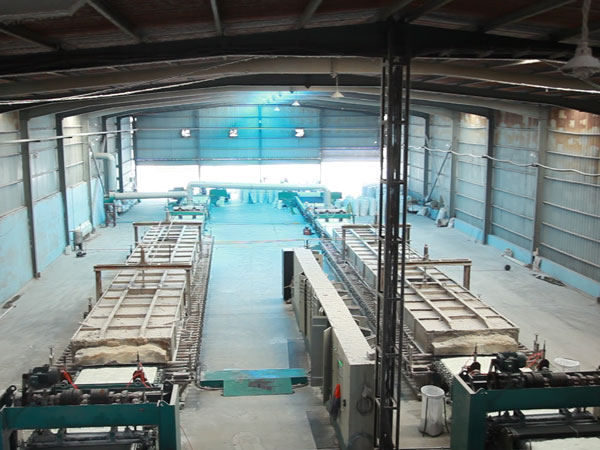
A typical ceramic fiber production line encompasses raw material preparation, high-temperature melting, fiberization, fiber collection, needle punching or wet forming, and final cutting and packaging. Each stage involves specialized equipment and technical expertise, and the decisions made during the planning phase will determine operational efficiency, product quality, and long-term profitability for years to come.
At ZOUYU, we have designed, supplied, and commissioned more than 30 complete ceramic fiber production lines across Asia, the Middle East, and Africa. This article shares the five most critical factors we have identified from our experience, helping prospective manufacturers avoid common pitfalls and build production facilities that deliver reliable returns.
Factor 1: Raw Material Sourcing
The quality and cost of your raw materials directly determine both the performance characteristics and the production cost of your ceramic fiber products. The two primary raw materials are industrial-grade alumina (aluminum oxide) and high-purity silica sand, typically sourced in a ratio of approximately 45:55 to 55:45 depending on the target fiber grade.
Quality of Alumina and Silica
Impurities in raw materials, particularly iron oxide, titanium dioxide, and alkali metals, degrade fiber quality and reduce the maximum service temperature of the finished product. Specify calcined alumina with a minimum purity of 98.5 percent and silica sand with less than 0.1 percent iron oxide content. Consistent raw material quality across batches is essential for maintaining stable production parameters and predictable product properties.
Supplier Relationships
Establish long-term supply agreements with at least two qualified suppliers for each raw material. Geographic proximity to alumina refineries and silica quarries reduces transportation costs, which can account for 15 to 25 percent of total raw material expense. In our experience, manufacturers who diversify their supply base achieve better pricing stability and avoid production disruptions during supply chain shocks.
Cost Considerations
Raw materials typically represent 35 to 45 percent of the total production cost for standard-grade ceramic fiber blanket. Investing in on-site raw material testing laboratories allows you to verify incoming material quality before it enters the furnace, preventing costly production runs with substandard inputs. Budget approximately USD 50,000 to 80,000 for a basic quality control lab setup.
Factor 2: Equipment Selection
Equipment selection is the most capital-intensive decision in the production line setup and has the greatest impact on daily operational capability. A complete line comprises several major subsystems, each requiring careful evaluation.
Melting Furnace Types
The melting furnace is the heart of the production line. Electric arc furnaces are the most common choice, offering precise temperature control and consistent melt quality. Typical furnace capacities range from 2 to 6 tons per hour of melted material. For higher-capacity lines, resistance furnaces with three-phase electrodes provide improved energy efficiency and longer refractory lining life. The furnace should be designed to operate continuously at temperatures between 1,800 and 2,100 degrees Celsius.
Spinning vs. Blowing Technology
Fiberization, the process of converting molten material into fibers, can be achieved through spinning or blowing. Spinning technology uses high-speed rotating discs or rollers to centrifugally form fibers and generally produces longer, more uniform fibers with higher tensile strength. Blowing technology uses compressed air or steam jets and tends to produce shorter, finer fibers. Modern production lines increasingly favor spinning technology for its superior fiber quality and lower energy consumption per ton of output.
Needle Punching Lines
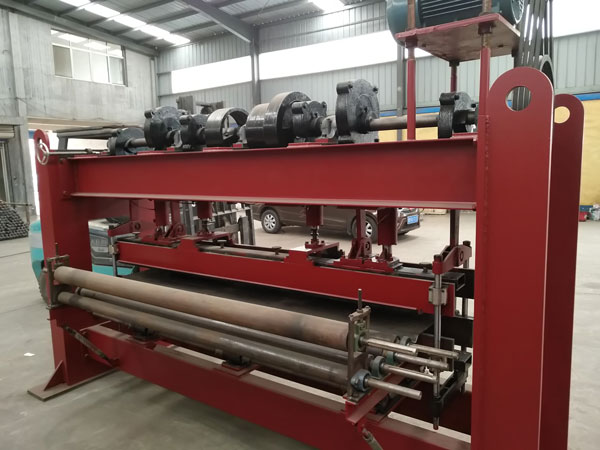
After fiber collection, the loose fiber mat must be consolidated into blanket form through needle punching. The needle punching machine uses barbed needles to mechanically interlock the fibers, creating a coherent blanket with the desired density and tensile strength. Modern needle punching lines operate at speeds of 3 to 8 meters per minute with adjustable stroke frequency and penetration depth, allowing production of blankets across a wide density range.
Automation Level
The degree of automation significantly affects both capital cost and operating efficiency. Fully automated lines with PLC-controlled material handling, automatic thickness gauging, and robotic cutting and stacking can reduce labor requirements by 40 to 60 percent compared to semi-manual operations. While the initial investment is higher, automated lines deliver more consistent product quality and faster return on investment in markets with high labor costs. For more details on available equipment options, visit our production equipment page.
Engineering insight: When comparing equipment suppliers, evaluate total cost of ownership rather than just purchase price. Include energy consumption, spare parts availability, maintenance intervals, and expected component lifespan in your analysis.
Factor 3: Energy Efficiency
Ceramic fiber production is energy-intensive, with electricity consumption for the melting furnace alone accounting for 40 to 55 percent of total operating costs. Designing energy efficiency into the production line from the outset has a profound impact on long-term competitiveness.
Modern Furnace Designs
Contemporary furnace designs incorporate advanced refractory linings, optimized electrode configurations, and improved thermal insulation that reduce specific energy consumption by 15 to 20 percent compared to older designs. Look for furnaces with water-cooled electrode holders, which extend electrode life and reduce electrical losses.
Heat Recovery Systems
The exhaust gases from the melting furnace carry substantial thermal energy that can be captured and reused. Waste heat recovery boilers can generate steam for pre-heating combustion air, drying raw materials, or providing hot water for the needle punching process. A well-designed heat recovery system can reduce overall energy consumption by 10 to 15 percent and typically pays for itself within 18 to 24 months.
DCS Control Systems
Distributed Control Systems provide real-time monitoring and optimization of furnace parameters including temperature, power input, melt level, and fiber quality. Advanced DCS platforms use predictive algorithms to adjust operating conditions proactively, maintaining optimal energy efficiency across varying production rates and raw material compositions.
Power Consumption Optimization
Target a specific energy consumption of 2.5 to 3.5 kilowatt-hours per kilogram of fiber produced for standard-grade products. Lines consuming more than 4 kilowatt-hours per kilogram are likely operating with suboptimal furnace efficiency or excessive heat losses. Negotiate preferential industrial electricity tariffs with your local utility, as even small reductions in per-unit energy cost translate to substantial annual savings at production scale.
Factor 4: Workforce Training
Even the most advanced production equipment cannot deliver its full potential without skilled operators. Ceramic fiber manufacturing requires specialized knowledge spanning high-temperature metallurgy, mechanical maintenance, and quality control techniques.
Training Programs
ZOUYU provides comprehensive two-week training programs for new production line operators, covering furnace operation, fiber spinning parameters, needle punching adjustment, quality testing procedures, and safety protocols. Training is conducted both at our own facilities and on-site at the client's plant during the commissioning phase. We recommend sending key personnel to observe operating lines before their own equipment is installed.
Operator Certification
Establish a formal certification program for furnace operators and quality inspectors. Certified operators demonstrate competence in normal operations, emergency procedures, and routine maintenance tasks. This reduces the risk of costly operational errors and ensures consistent product quality across all shifts.
Safety Protocols
Ceramic fiber production involves high temperatures, heavy machinery, and airborne fibers, all of which require strict safety management. Implement comprehensive safety protocols including mandatory personal protective equipment, regular air quality monitoring, machine guarding, and emergency shutdown procedures. Invest in safety training as a non-negotiable priority from day one of operations.
Quality Control
Train dedicated quality control staff to perform incoming raw material inspection, in-process monitoring of fiber diameter and shot content, and finished product testing for density, tensile strength, thermal conductivity, and dimensional accuracy. A well-trained QC team catches quality deviations early, preventing waste and protecting your brand reputation in the marketplace.
Factor 5: Market Positioning
Technical excellence in production must be matched by a clear market strategy. The ceramic fiber industry serves diverse customer segments with varying requirements for product grade, certification, packaging, and pricing.
Product Grade Selection
Decide which fiber grades to produce based on your target market's needs. A new production line typically starts with ST and HP grades, which together account for approximately 70 percent of global ceramic fiber demand. Adding HA or HZ capability later allows entry into premium market segments without overcomplicating initial operations.
Target Markets
Identify your primary export markets early and align your product specifications accordingly. Southeast Asian markets favor cost-competitive standard grades, while European and North American buyers often require documented test certificates and compliance with specific industry standards. Middle Eastern petrochemical projects typically specify HP grade with enhanced documentation packages.
Quality Certifications
Obtain ISO 9001 certification before launching commercial production, as most international buyers require this as a minimum qualification. Additional certifications such as SGS test reports, REACH compliance for European markets, and specific industry approvals strengthen your competitive position and enable access to higher-margin projects. For more on how ZOUYU supports certification requirements, visit our service and support page.
Pricing Strategy
Develop a pricing model that reflects your production costs, target margins, and competitive positioning. New entrants often adopt competitive introductory pricing to build market share and establish references, gradually increasing prices as quality credentials and delivery reliability are proven. Maintain a transparent price list organized by grade, density, and thickness, and offer volume-based discounts to encourage larger orders. Browse our complete product range to understand typical market specifications.
Conclusion
Setting up a ceramic fiber production line is a complex undertaking that demands expertise across raw materials, mechanical engineering, energy management, human resources, and commercial strategy. The five factors outlined in this article represent the areas where careful planning delivers the greatest return on investment and where shortcuts carry the highest risk of long-term underperformance.
ZOUYU offers turnkey ceramic fiber production line solutions that encompass equipment design and supply, installation supervision, commissioning, operator training, and ongoing technical support. Our experience with more than 30 production lines across diverse markets and climates means we understand the practical challenges of real-world operation.
If you are considering investing in a ceramic fiber production line, our engineering team is available to provide a preliminary feasibility assessment and budgetary quotation. Contact us today to discuss your project requirements and learn how we can help you build a production facility that delivers sustainable competitive advantage.