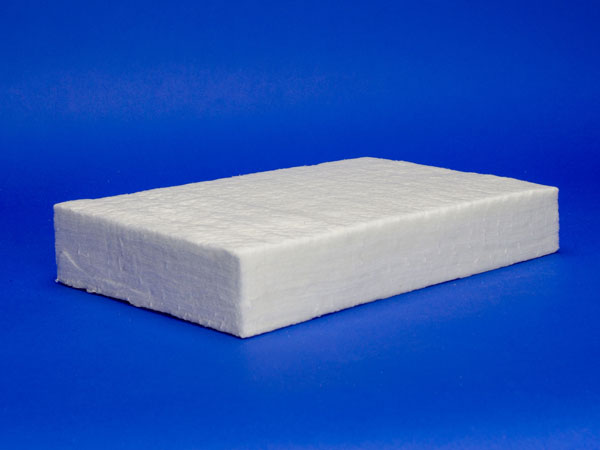
Zirconia Ceramic Fiber Blanket

High-performance thermal insulation blankets made from swinging fibre technology

Ceramic Fiber Blanket - Swinging Fibre Thermal Insulation

Product Overview

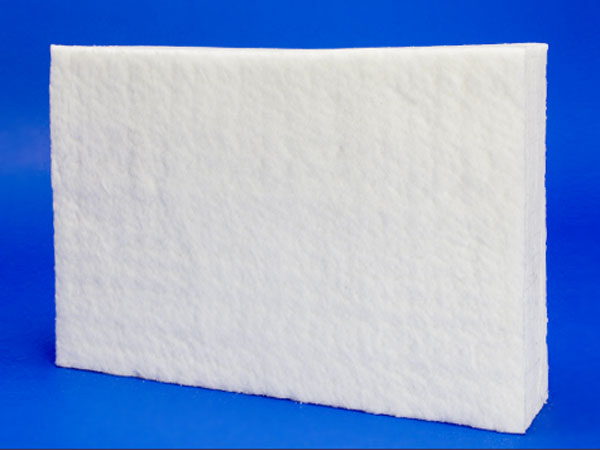
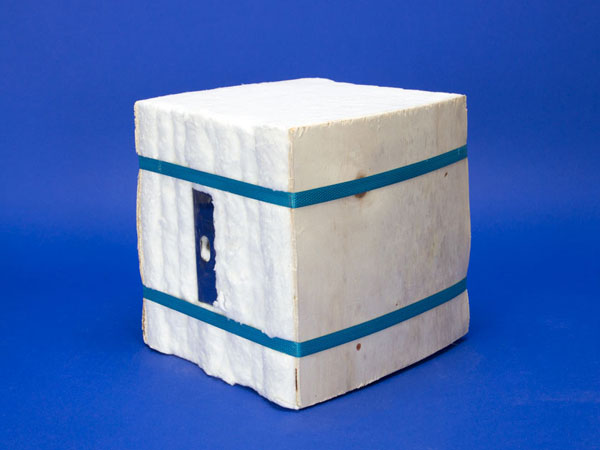
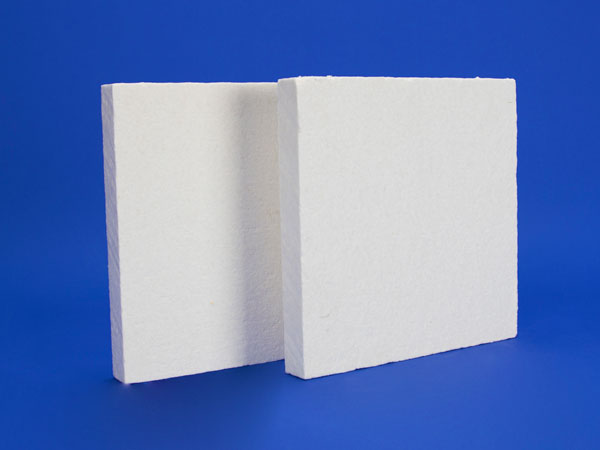
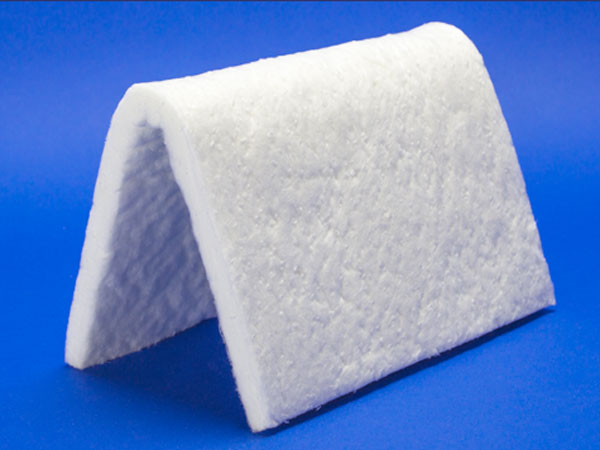
ZOUYU zirconia ceramic fiber blankets are manufactured using advanced swinging fibre technology, producing lightweight, flexible, and high-strength thermal insulation. With a classification temperature of 1430°C and working temperature up to ≤1350°C, this grade is ideal for demanding high-temperature industrial applications.

Key Features

  • Low thermal conductivity and low heat capacity
  • Excellent thermal stability and anti-thermal shock performance
  • Good tensile strength and flexibility
  • Easy to cut, wrap, and install
  • Resistance to gas erosion and chemical attack
  • Double-side needle-punched for enhanced strength
Applications

Industrial Furnaces Heating Devices High-Temp Duct Linings Chemical Reaction Vessels Power Plants High-Rise Fire Protection Kiln Doors

Technical Specifications

Property COM (Ordinary) ST (Standard) HP (High-Purity) HA (High-Alumina) HZ (Zirconia)
Classification Temperature 1100°C 1260°C 1260°C 1360°C 1430°C
Working Temperature ≤1000°C ≤1050°C ≤1100°C ≤1200°C ≤1350°C
Density (kg/m³) 96 128 128 128 128
Al2O3 (%) 44 46 47-49 52-55 39-40
Al2O3 + SiO2 (%) 96 97 99 99 --
ZrO2 (%) -- -- -- -- 15-17
Fe2O3 (%) <1.2 <1.0 <0.2 <0.2 <0.2
Standard Size 7200 × 610 × 10-50 mm

Frequently Asked Questions

Technical and commercial answers for this product. If your question is not here, our engineers will answer it directly.

Why is zirconia added to ceramic fiber?

+

Adding 15-17% ZrO₂ raises the classification temperature to 1430°C and the continuous working temperature to 1350°C. Zirconia inhibits crystal growth at high temperature, which reduces permanent shrinkage and keeps the fibre flexible after long exposure.

How does HZ compare with HA?

+

HA (52-55% Al₂O₃) is rated for continuous service to 1200°C; HZ trades alumina for zirconia, pushing that ceiling to 1350°C with better shrinkage resistance above 1200°C. Below 1200°C, HA is usually the more economical choice.

What is the difference between classification temperature and working temperature?

+

Classification temperature is the laboratory grading point at which a sample stays within a defined linear shrinkage after 24 hours. It is a grade label, not a service limit. Working temperature is the continuous-use ceiling in a real furnace atmosphere, and that is the number you should design to. The HZ grade is classified at 1430°C and rated for continuous service at up to 1350°C.

Where is zirconia blanket typically used?

+

Typical applications are the hot face of high-temperature kilns, cracking and reforming furnaces, ceramic sintering furnaces, and any zone running continuously above 1200°C where standard alumina-silicate grades would shrink prematurely.

What density and size does HZ blanket come in?

+

HZ is supplied at 128 kg/m³ in standard rolls of 7200 × 610 mm, in thicknesses from 10 mm to 50 mm.

What is the minimum order quantity and delivery time?

+

MOQ is 1 ton per specification. Standard products are typically delivered within 15-20 days; custom orders take 30-60 days.

Related Products

Need Help Specifying Zirconia Ceramic Fiber Blanket?

Talk to our technical team about grade selection, sizing, pricing and delivery. Quotations returned within 24 hours.

Request a Quote View All Products